Given the fast-changing consumer security expectations and the rising incidence of fraud, together with technical breakthroughs, artificial intelligence will lead us into an uncertain future.
A survey states that there were 4807 identity thefts registered in July 2020. With that analysis in mind, several company sectors make the decision to strengthen their security measures by integrating AI-based biometric user identification solutions to fend against fraudulent activities. No matter the industry vertical, many industries of all sizes and shapes are urged to use biometric solutions observed Bahaa Abdul Hadi.
Biometric authentication systems
Facial recognition
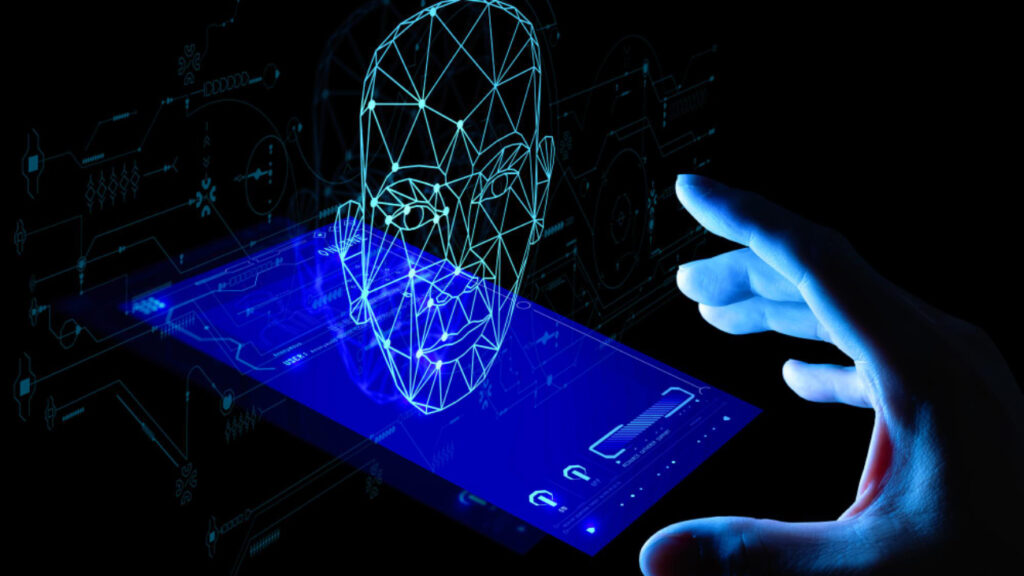
Face verification is the process of analyzing face patterns and characteristics for biometric authentication and verification of a person’s identification. The majority of face recognition systems use local feature analysis. With the use of AI-powered face recognition technologies, identification verification may be completed quickly and accurately (up to 98.67%).
Technologies for facial recognition strengthen biometric security systems and eliminate threats, including 3D mask assaults, cyberattacks using photoshopped photographs, fraud involving screenshot images, and eye-cut photo attacks.
Voice recognition
Speech recognition technology uses a 1:N comparison ratio, which implies that the customer’s voice is compared to various voice templates. To distinguish different voices in a conversation, determine whether the user has already been enrolled in the system, notify automated systems of speaker changes, etc. Voice verification systems can also be deployed covertly with the customer’s knowledge.
Fingerprint recognition
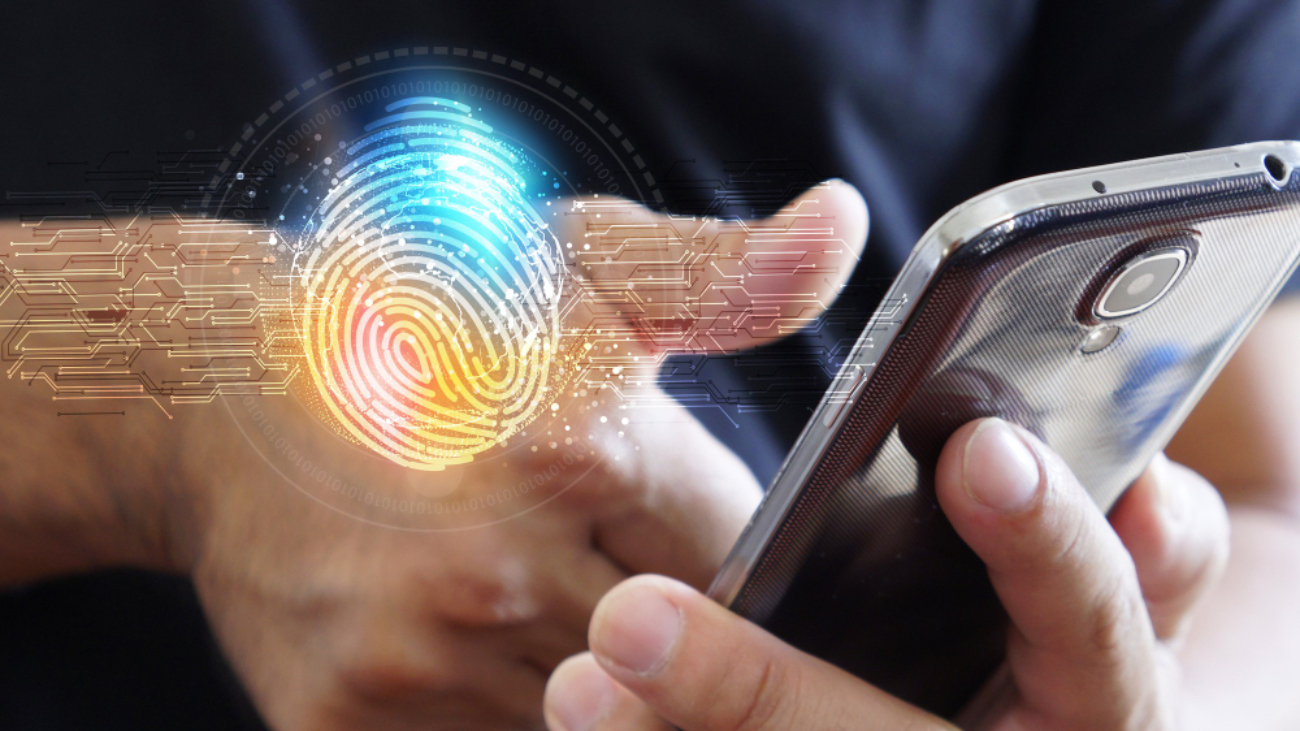
Using this technique, it is possible to identify someone by analyzing the ridges and valleys on their fingertip. For user authentication and verification, the 3D geometry of the finger is established through the comparison of two or even more fingerprints. Many businesses use automated fingerprint recognition techniques to supply improved biometric solutions.
The proven usage, acceptability, and simplicity of systems that recognize fingerprints are the major justifications for their adoption. Fingerprint recognition has a wide variety of applications since it is one of the inexpensive biometric methods to avoid chargebacks. Solutions for fingerprint identification are being used by businesses to control time and attendance.
Different types of sensors used in fingerprint scanners
The following are typical fingerprint sensor types used in many financial infrastructures to accurately and efficiently verify clients’ identities.
- Optical sensors
- Capacitive scanners
- Thermal line sensors
- Ultrasonic sensors
Conclusion
Numerous financial infrastructures have been equipped with biometric technologies with high accuracy, efficiency, and security levels to combat identity theft. Thankfully, the cost of biometric solutions is decreasing due to their growing acceptance and general use. The use of biometric solutions has benefited a variety of enterprises due to factors including the rising manufacturing rates of electronic components and the benefits of scale.
Thank you for your interest in Bahaa Abdul Hadi blogs. For more information, please stay tuned to www.bahaaabdulhadi.com